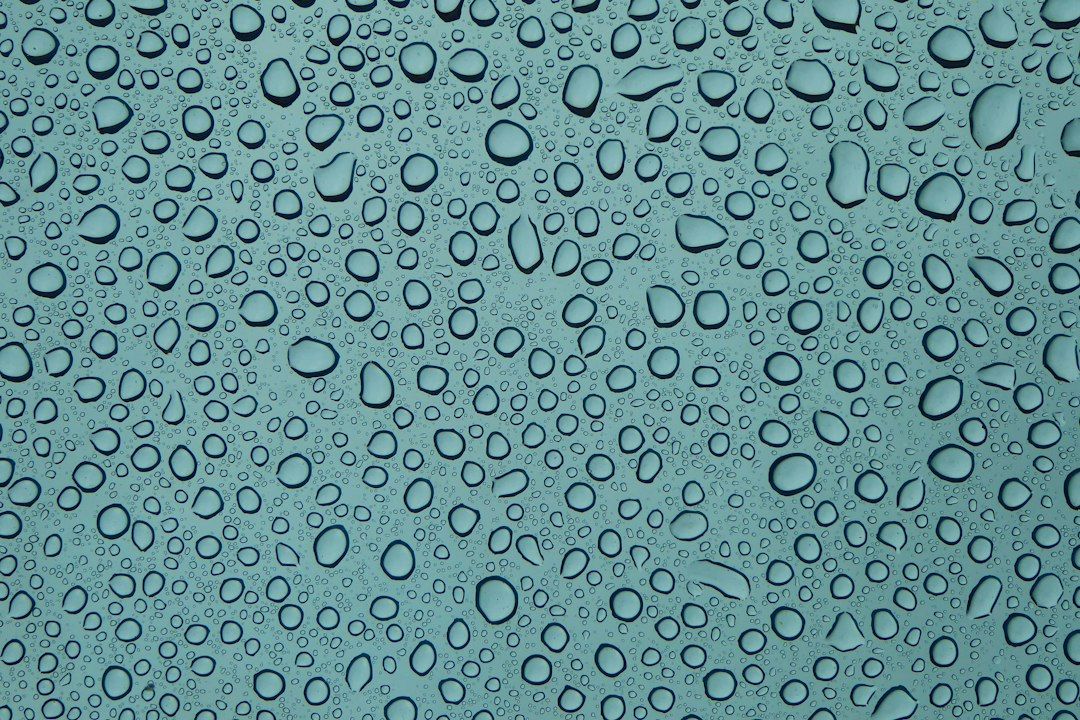
Hard Water Stain Removal for Monterey Bay Homes
Sprinkler overspray and California's mineral-rich water leave a hazy film on glass that ordinary cleaning cannot touch. We remove hard water deposits and restore true clarity to windows across the coastal corridor.
📞 Call (831) 224-3387
Why Hard Water Stains Form on Coastal Glass
Every time a sprinkler head sprays water onto a window and that water evaporates, it leaves behind the calcium, magnesium, and other minerals that were dissolved in it. A single overspray event is invisible. Repeated over months and years, the mineral deposits build into a white or cloudy film that regular glass cleaner will not remove because the minerals are bonded to the surface, not simply sitting on top of it as dust would.
Coastal properties around Monterey Bay see this problem more than most, for two compounding reasons. California's water supply already carries a moderate to high mineral content depending on the source, and salt air adds its own residue layer that interacts with the mineral film to make it more stubborn than either factor would be alone. Ground-floor windows near landscaped lawns with automatic sprinklers are the most common victims, since they take direct overspray on a near-daily basis during irrigation season.
What Hard Water Stains Cost You If Left Untreated
Left alone long enough, surface mineral deposits can begin to etch into the glass itself. Etched glass has a permanently altered surface texture that scatters light differently than clear glass, and at that stage no amount of cleaning fully restores the original clarity, only a specialized glass restoration or, in severe cases, replacement will. Treating hard water buildup while it is still a surface deposit rather than a surface etch is the difference between a straightforward cleaning service and a much larger expense down the road.
| Stage | What It Looks Like | Typical Fix |
|---|---|---|
| Early film | Faint haze, more visible at certain light angles | Standard cleaning with a mineral-safe solution |
| Visible spotting | Distinct white or cloudy spots, visible in direct light | Dedicated hard water treatment and polish |
| Heavy buildup | Persistent film across most of the pane | Multi-pass mineral removal, may need repeat visit |
| Surface etching | Permanent texture change, cloudy even after cleaning | Specialized restoration; full clarity not always achievable |
Our Process
Assessment
We identify whether buildup is surface-level mineral film or has progressed to etching, since the approach differs.
Mineral deposit solution
A pH-balanced solution formulated for calcium and mineral removal is applied to affected panes.
Non-abrasive polishing
A soft polishing pad works the solution into the deposits without scratching the glass surface.
Purified water rinse
Deionized water removes all residue so no new mineral film forms as it dries.
Prevention recommendation
We point out sprinkler heads or drainage patterns causing the buildup so it does not simply return.
What Hard Water Stain Removal Costs
Pricing depends on the severity of buildup and number of affected panes. Light surface film treated during a standard cleaning adds only a modest amount to the visit. Heavy buildup requiring multiple treatment passes costs more, and severely etched glass is quoted separately since it may require a specialized restoration product rather than our standard mineral removal process. We are upfront when a pane has progressed to etching and clarity may not be fully restorable, rather than charging full price for a result we cannot guarantee.
Many homeowners assume hard water spots are just dirt that a stronger cleaner will remove. In reality the minerals are chemically bonded to the glass surface, which is why standard glass cleaner, and even a stronger degreaser, will not touch them. It takes a mineral-specific solution designed to dissolve calcium and magnesium deposits.
Where We See the Most Hard Water Damage
Homes in Aptos and Watsonville with larger landscaped yards and automatic sprinkler systems tend to show the heaviest hard water buildup we encounter, simply because there is more irrigated lawn adjacent to ground-floor windows. Closer to the water in Santa Cruz and Capitola, salt residue compounds with a lighter mineral load from smaller yards or drip irrigation, producing a hazier but often thinner film that responds well to a single treatment. Knowing which pattern applies to a property helps us set the right expectations before we start.
Ground-Floor Windows in Aptos Restored After Years of Sprinkler Overspray
The Situation
A homeowner in Aptos had a sprinkler head positioned directly beneath a row of ground-floor windows for several years before they realized the persistent white haze on the glass was mineral buildup rather than simple dirt.
Our Approach
We applied a dedicated mineral deposit solution across the affected panes in two passes, since the buildup was heavier than a typical single treatment, then polished with a non-abrasive pad and rinsed with purified water. We also flagged the sprinkler head position to the homeowner.
The Outcome
The windows came back to near-original clarity, and the homeowner adjusted the sprinkler head spray pattern that same week to prevent the buildup from returning, avoiding a repeat treatment the following season.
Client name changed. Results vary based on individual circumstances. Prior results do not guarantee similar outcomes.
Preventing Hard Water Buildup Going Forward
Treatment addresses existing buildup, but prevention is what keeps a hard water problem from becoming a recurring expense. The single most effective step is adjusting sprinkler heads so their spray pattern does not reach window glass directly, something a landscaper or irrigation technician can typically fix in a short visit once the affected heads are identified. Where a sprinkler head cannot be repositioned due to yard layout, switching to a lower-angle nozzle or a drip line for the plants closest to the house often solves the problem without sacrificing the landscaping itself.
For salt-driven buildup rather than sprinkler-driven buildup, prevention is less about eliminating the source, since salt air cannot be avoided this close to the water, and more about maintaining a regular cleaning interval so mineral film never has the chance to sit long enough to etch. Homes on a standing quarterly or bi-monthly schedule rarely need a dedicated hard water treatment beyond what is included in a standard visit, since buildup never progresses past the earliest, easiest-to-remove stage.
How This Pairs With Other Services
Hard water treatment is almost always paired with a standard residential window cleaning or commercial window cleaning visit rather than booked as a standalone appointment, since our crew is already on site with the necessary equipment. Homes with heavy hard water issues from irrigation overspray often benefit from a landscaping-focused conversation as much as a cleaning one, and we are happy to point out the specific sprinkler heads or drainage patterns causing repeat buildup during any visit.
The EPA's WaterSense program provides background on regional water hardness levels, and the United States Geological Survey's water resources division tracks mineral content data for water sources across California. The Watsonville Chamber of Commerce lists additional resources for property owners in the valley.
Frequently Asked Questions
Hard water removal pairs naturally with a full residential window cleaning visit for homes in Aptos and Watsonville. Our blog covers this topic in depth in how salt air and marine layer affect glass along this coast.